Understanding gambling A beginner's guide to the basics
What is Gambling?
Gambling is the act of wagering money or something of value on an event with an uncertain outcome, primarily with the intention of winning additional money or goods. This activity can take many forms, including betting on sports, playing card games, slot machines, and more. The allure of gambling lies in its combination of chance and skill, offering not only the potential for financial gain but also an adrenaline rush that can be highly appealing to many individuals. Many people are drawn to online options like football bookmakers for their convenience and variety.
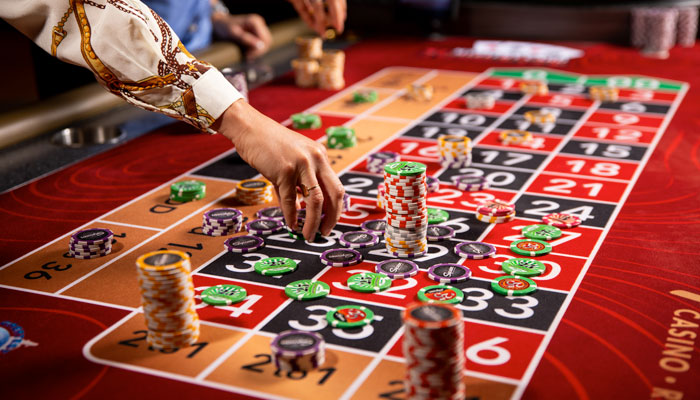
The history of gambling dates back thousands of years, with evidence suggesting that it has been a popular pastime across various cultures. From ancient Chinese dice games to Roman betting on chariot races, the fundamental concept of taking risks for potential rewards remains unchanged. In modern times, gambling has evolved, giving rise to online platforms that allow players to wager from the comfort of their homes, making it more accessible than ever.
Understanding the basic principles of gambling is essential for anyone looking to engage in this activity. It’s important to recognize that while the potential for reward can be enticing, the risk of losing money is inherent. As such, responsible gambling practices, such as setting limits and recognizing signs of addiction, are crucial for maintaining a healthy approach to this popular pastime.
Types of Gambling
Gambling can be broadly categorized into two main types: chance-based and skill-based. Chance-based gambling involves games where outcomes are primarily determined by random factors, such as slot machines or lottery tickets. In these scenarios, players have minimal control over the results, relying heavily on luck. This unpredictability can make such games thrilling, but it also highlights the risks involved.
On the other hand, skill-based gambling includes activities such as poker or sports betting, where players can use strategies and knowledge to improve their chances of winning. Here, a player’s ability to make calculated decisions can influence the outcome, offering a different kind of excitement and engagement. Many enthusiasts enjoy the challenge that comes with skill-based games, viewing them as both a test of their abilities and an opportunity for reward.
Additionally, gambling can take place in various environments, including traditional brick-and-mortar casinos and online platforms. Each venue offers unique experiences and opportunities, attracting different types of gamblers. While some may prefer the social atmosphere of a physical casino, others appreciate the convenience and privacy provided by online gambling sites.
Online vs. Brick-and-Mortar Gambling
The rise of the internet has revolutionized the gambling landscape, providing players with the option to gamble online from virtually anywhere. Online casinos and betting platforms offer a wide range of games, often with attractive bonuses and promotions that can enhance the overall experience. The convenience of being able to place bets or play games without the need to travel to a physical location appeals to many, making online gambling a popular choice.
In contrast, brick-and-mortar casinos provide a different kind of experience. The ambiance, social interaction, and live entertainment found in these establishments create a vibrant atmosphere that many players cherish. For those who enjoy the excitement of being in a bustling casino environment, the tactile experience of playing on real tables and interacting with dealers and fellow gamblers can be irreplaceable.
However, both forms of gambling have their own sets of advantages and disadvantages. While online gambling is often more accessible and offers a broader variety of games, brick-and-mortar casinos may have the upper hand in terms of social engagement and the overall experience. Understanding these differences can help players choose the gambling format that aligns best with their preferences and lifestyle.
Responsible Gambling Practices
Engaging in gambling activities should always be done with caution and awareness. Responsible gambling practices are vital to ensure that the experience remains enjoyable and does not lead to negative consequences. Setting a budget before starting to gamble is a fundamental strategy; it allows players to determine how much they are willing to risk, preventing excessive losses.
Additionally, it is essential to recognize the signs of problem gambling. These can include chasing losses, gambling to escape from stress, or neglecting other responsibilities in favor of gambling activities. Understanding these signs can help individuals seek help before gambling becomes a detrimental habit. Resources such as helplines and support groups are available for those who may need assistance.
Lastly, players should stay informed about the odds associated with different games. Knowing the likelihood of winning can help set realistic expectations and minimize disappointment. By approaching gambling with a mindful attitude, individuals can enjoy the thrills of the game while safeguarding their mental and financial well-being.

Your Guide to Responsible Gambling Resources
This guide aims to provide a comprehensive overview for beginners who want to understand gambling better. Whether you’re interested in online platforms or the traditional casino experience, being informed is crucial. There are numerous resources available that delve deeper into various aspects of gambling, from strategy guides to information about responsible gaming practices.
When exploring gambling further, consider utilizing resources provided by reputable organizations dedicated to promoting safe gambling. These resources offer valuable insights into various games, odds, and responsible gaming techniques. Engaging with community forums and blogs can also provide personal stories and tips from experienced gamblers, helping newcomers navigate their journey.
Ultimately, understanding gambling involves both enjoying the thrill of the game and respecting the risks involved. By utilizing this guide and engaging with available resources, beginners can foster a healthy relationship with gambling, ensuring that it remains a fun and entertaining activity rather than a source of stress or hardship.